Fracture & Trauma care
Arthritis
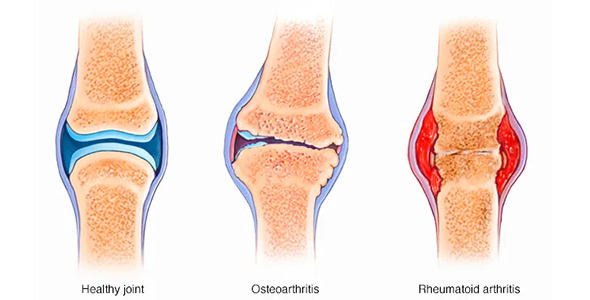
Arthritis is a common yet often debilitating condition that affects the joints, causing pain, stiffness, swelling, and reduced mobility. It can impact people of all ages, though it is more prevalent as we grow older. The most common forms include osteoarthritis, rheumatoid arthritis, and post-traumatic arthritis, each with its own causes and progression. When left untreated, arthritis can significantly interfere with daily activities and overall quality of life.
An Orthopaedic Surgeon plays a vital role in the diagnosis, management, and treatment of arthritis. Through a detailed clinical evaluation, imaging studies such as X-rays or MRIs, and a thorough review of symptoms, the surgeon identifies the type and severity of arthritis affecting the joint. Early diagnosis is key to slowing disease progression and preserving joint function.
Treatment for arthritis is highly individualized and may include non-surgical options such as lifestyle modification, physical therapy, medications, joint injections, and pain management strategies. These approaches aim to reduce inflammation, improve mobility, and relieve discomfort. When conservative treatments no longer provide adequate relief, surgical intervention may be recommended. Orthopaedic surgical options can range from minimally invasive procedures like arthroscopy to advanced joint replacement surgeries, including knee, hip, or shoulder replacement.
With advances in orthopaedic techniques and technology, arthritis surgery today offers improved outcomes, faster recovery, and long-term pain relief. A skilled Orthopaedic Surgeon focuses not only on treating the condition but also on restoring movement, strength, and independence. The goal is to help patients return to an active, comfortable life with improved joint function and reduced pain.

