Fracture & Trauma care
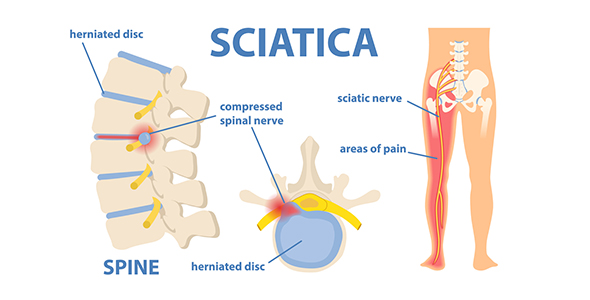
Sciatica
Sciatica is a condition characterized by pain that radiates along the path of the sciatic nerve, which runs from the lower back through the hips, buttocks, and down each leg. The pain may range from mild discomfort to sharp, burning sensations and is often accompanied by numbness, tingling, or muscle weakness in the affected leg. Sciatica is commonly caused by a herniated disc, spinal stenosis, degenerative disc disease, or nerve compression in the lower spine.
An Orthopaedic Surgeon plays an important role in diagnosing and managing sciatica. A thorough clinical evaluation, including assessment of symptoms, physical examination, and imaging studies such as X-rays or MRI scans, helps identify the underlying cause of nerve irritation. Accurate diagnosis is essential for effective treatment and long-term relief.
Most cases of sciatica can be managed with non-surgical treatments. These may include pain-relieving and anti-inflammatory medications, physiotherapy, posture correction, activity modification, and targeted exercises to strengthen the back and core muscles. Epidural steroid injections may also be recommended to reduce inflammation and alleviate nerve pain.
When conservative treatments fail to provide relief or when symptoms worsen, surgical intervention may be considered. An Orthopaedic Surgeon may perform procedures such as discectomy or spinal decompression to relieve pressure on the affected nerve. Advances in minimally invasive spine surgery have led to faster recovery, reduced pain, and improved outcomes.
With proper diagnosis and personalized treatment, most patients experience significant improvement from sciatica. A skilled Orthopaedic Surgeon focuses on relieving pain, restoring mobility, and preventing recurrence, helping patients return to normal activities and enjoy a better quality of life.

