Fracture & Trauma care
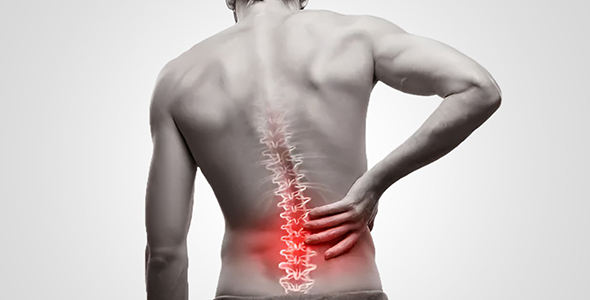
Spine & Back problems
Spine & Back Problems are among the most common musculoskeletal conditions, affecting people of all ages and lifestyles. These issues can range from mild back pain and muscle strain to complex spinal disorders that significantly impact mobility and daily activities. Common spine and back problems include slipped (herniated) discs, sciatica, spinal stenosis, degenerative disc disease, scoliosis, and spinal injuries caused by trauma or poor posture.
An Orthopaedic Surgeon specializes in diagnosing and treating spine and back problems through a comprehensive evaluation that includes medical history, physical examination, and advanced imaging such as X-rays, MRI, or CT scans. Identifying the exact cause of pain is essential for developing an effective and targeted treatment plan.
Treatment usually begins with non-surgical approaches aimed at relieving pain and improving function. These may include medications, physiotherapy, posture correction, lifestyle modification, ergonomic advice, and strengthening exercises for the back and core muscles. In some cases, spinal injections may be recommended to reduce inflammation and nerve-related pain.
When conservative treatments fail or when neurological symptoms such as weakness, numbness, or loss of bladder or bowel control occur, surgical intervention may be necessary. Orthopaedic spine surgeries range from minimally invasive procedures like discectomy and decompression to complex spinal fusion surgeries. Modern techniques and technology have significantly improved surgical precision, reduced recovery time, and enhanced patient outcomes.
Effective management of spine and back problems also involves long-term care and rehabilitation. An Orthopaedic Surgeon works closely with rehabilitation specialists to restore mobility, improve spinal stability, and prevent recurrence. The goal is not only pain relief but also helping patients regain confidence, maintain an active lifestyle, and enjoy lasting spinal health.

