Fracture & Trauma care
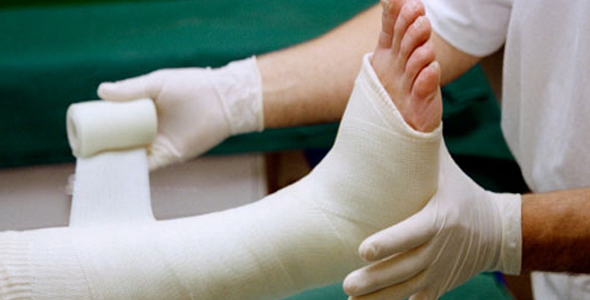
Fracture & Trauma care
Fracture & Trauma Care is a critical branch of orthopaedics focused on the prompt diagnosis and effective treatment of bone fractures and musculoskeletal injuries caused by accidents, falls, sports injuries, or high-impact trauma. These injuries can range from simple fractures to complex, multi-bone trauma requiring specialized surgical expertise. Timely and appropriate care is essential to restore function, prevent complications, and ensure proper healing.
An Orthopaedic Surgeon plays a key role in managing fractures and trauma by assessing the extent of injury through physical examination and advanced imaging such as X-rays, CT scans, or MRI. Based on the severity and location of the fracture, the surgeon develops a personalized treatment plan. Non-surgical options may include casting, splinting, bracing, and immobilization to allow natural bone healing. For unstable or complex fractures, surgical intervention may be necessary.
Surgical fracture management often involves advanced techniques such as internal fixation using plates, screws, rods, or nails to realign and stabilize the bone. In cases of severe trauma involving joints, soft tissues, or multiple injuries, a multidisciplinary approach ensures comprehensive care and optimal recovery. Modern orthopaedic trauma techniques aim to minimize tissue damage, promote faster healing, and restore anatomical alignment.
Recovery from fracture and trauma requires careful follow-up and rehabilitation. An Orthopaedic Surgeon closely monitors bone healing and may recommend physical therapy to regain strength, flexibility, and mobility. Early and guided rehabilitation is crucial to preventing stiffness, muscle weakness, and long-term disability.
With expertise in Fracture & Trauma Care, an Orthopaedic Surgeon is committed to providing rapid, precise, and compassionate treatment. The ultimate goal is to help patients recover safely, return to their daily activities, and regain confidence and independence after injury.

