Fracture & Trauma care
Sports & Ligament injury
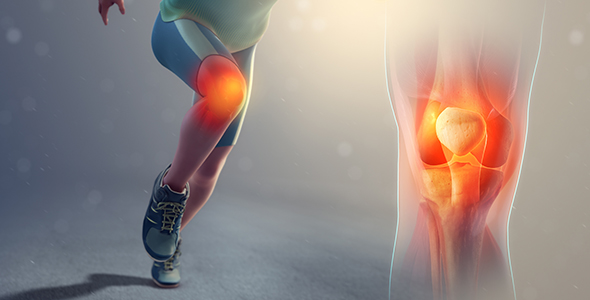
Sports & Ligament Injury refers to damage to the muscles, ligaments, tendons, or joints caused by physical activity, athletic training, or sudden trauma. These injuries are common among athletes and active individuals and may occur during sports such as football, cricket, running, tennis, or gym workouts. Common ligament injuries include ACL, PCL, MCL, and meniscus tears, as well as ankle and shoulder ligament injuries.
An Orthopaedic Surgeon plays a crucial role in the diagnosis, treatment, and rehabilitation of sports and ligament injuries. A detailed clinical assessment combined with imaging studies such as X-rays or MRI scans helps determine the extent and severity of the injury. Early and accurate diagnosis is essential to prevent further damage and ensure optimal recovery.
Treatment depends on the type of injury, activity level of the patient, and degree of ligament damage. Many sports injuries can be successfully managed with non-surgical methods, including rest, bracing, medications, physiotherapy, and structured rehabilitation programs aimed at restoring strength and stability. Advanced techniques such as platelet-rich plasma (PRP) injections may also be considered in selected cases.
For severe ligament tears or injuries that do not respond to conservative treatment, surgical intervention may be required. Arthroscopic ligament reconstruction and repair are commonly performed to restore joint stability while minimizing tissue damage. These minimally invasive procedures allow faster recovery and earlier return to sports and daily activities.
Rehabilitation is a vital part of recovery from sports and ligament injuries. An Orthopaedic Surgeon works closely with physiotherapists to design personalized rehab plans focused on flexibility, strength, balance, and injury prevention. The ultimate goal is to help patients safely return to their sport, regain confidence, and maintain long-term joint health.

